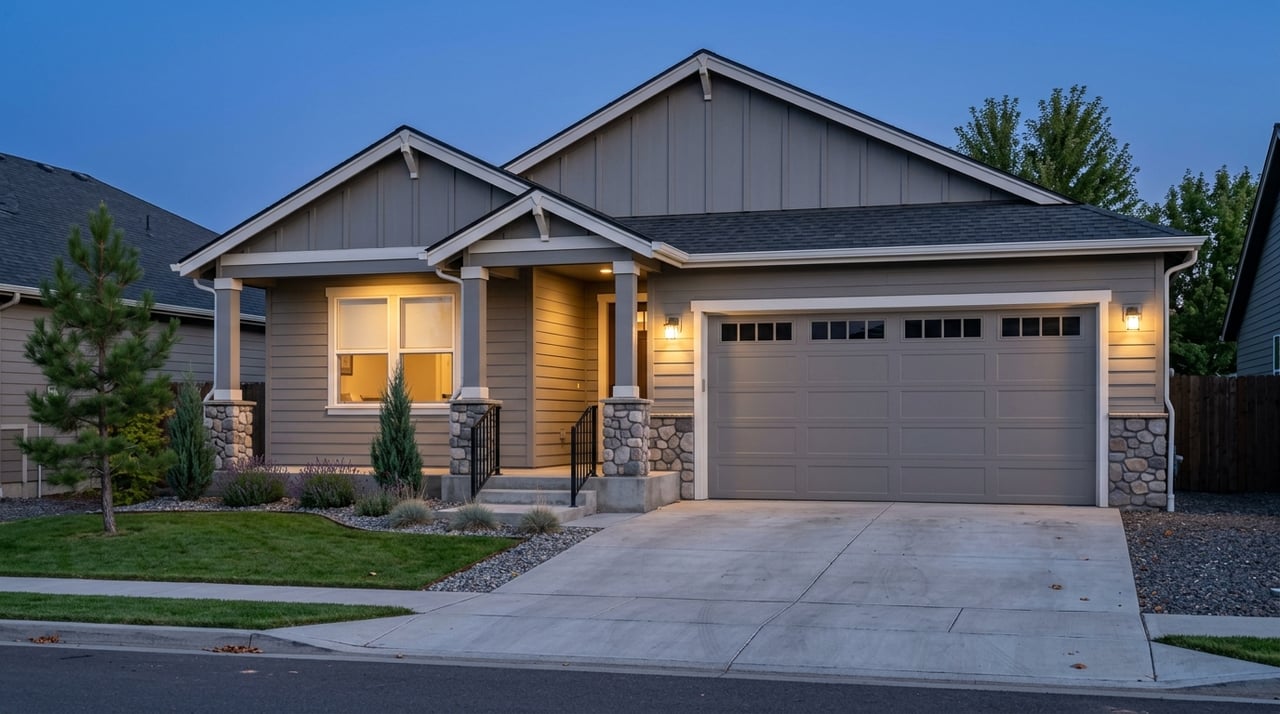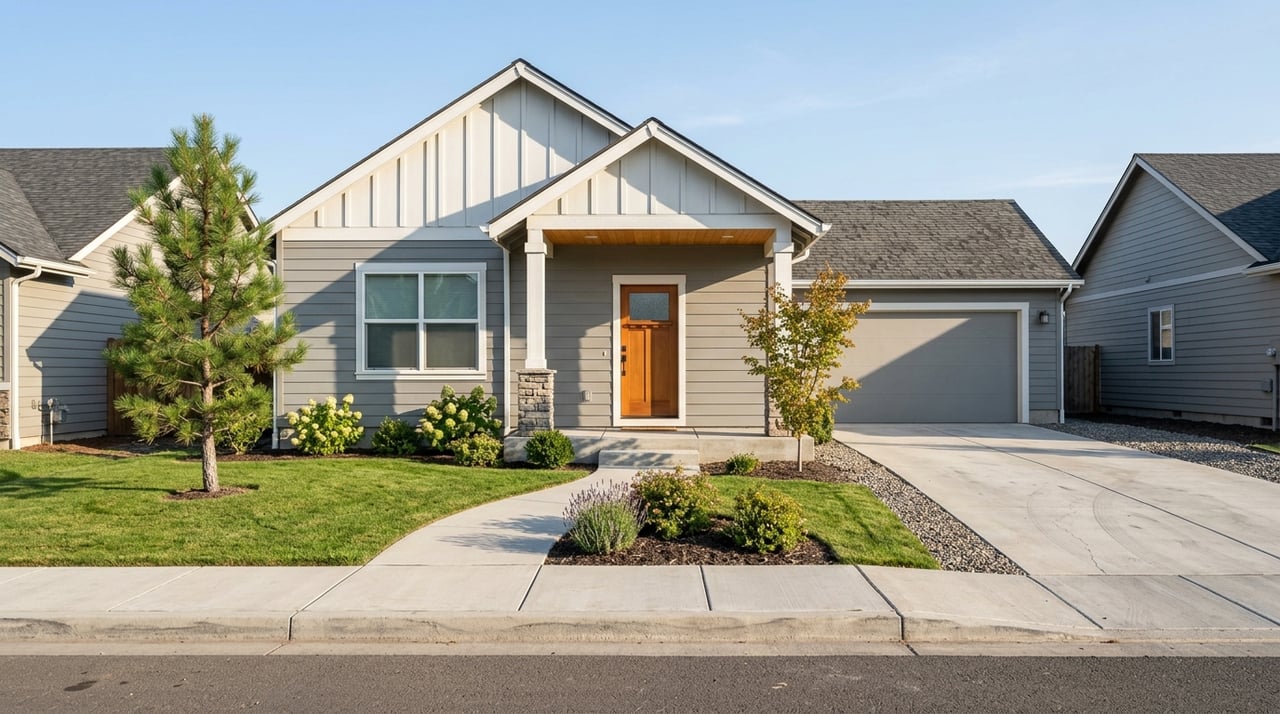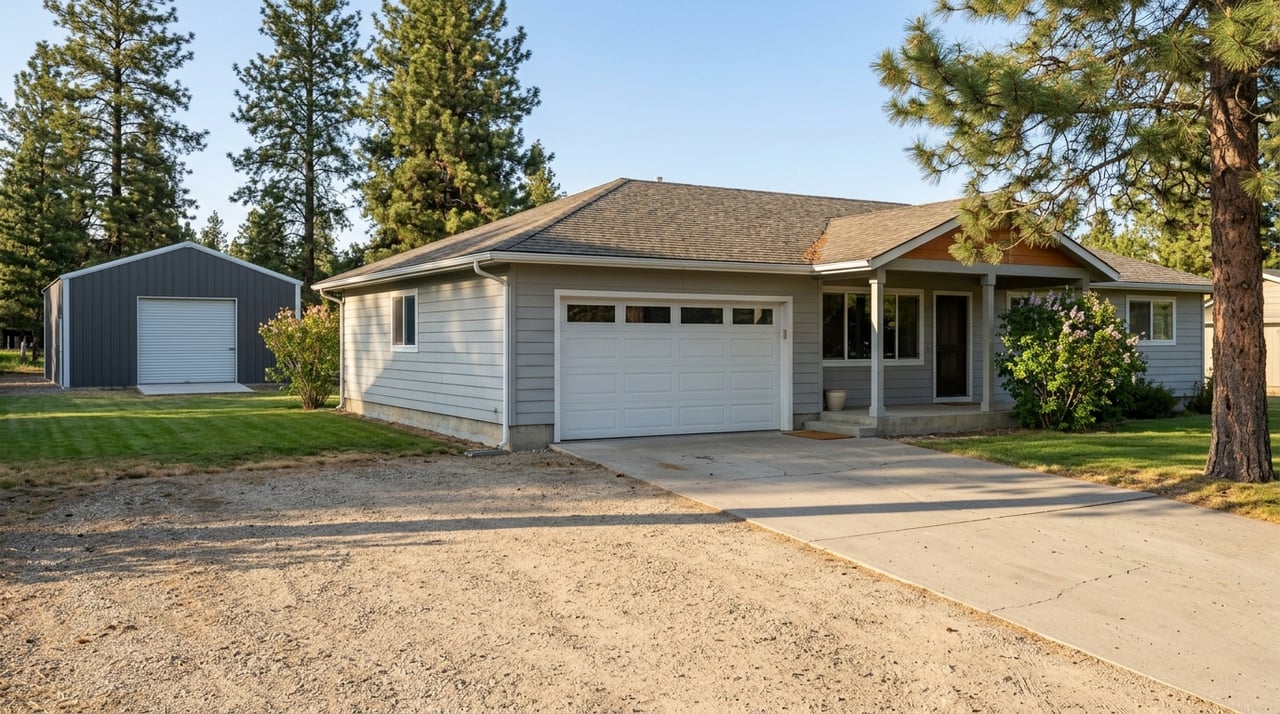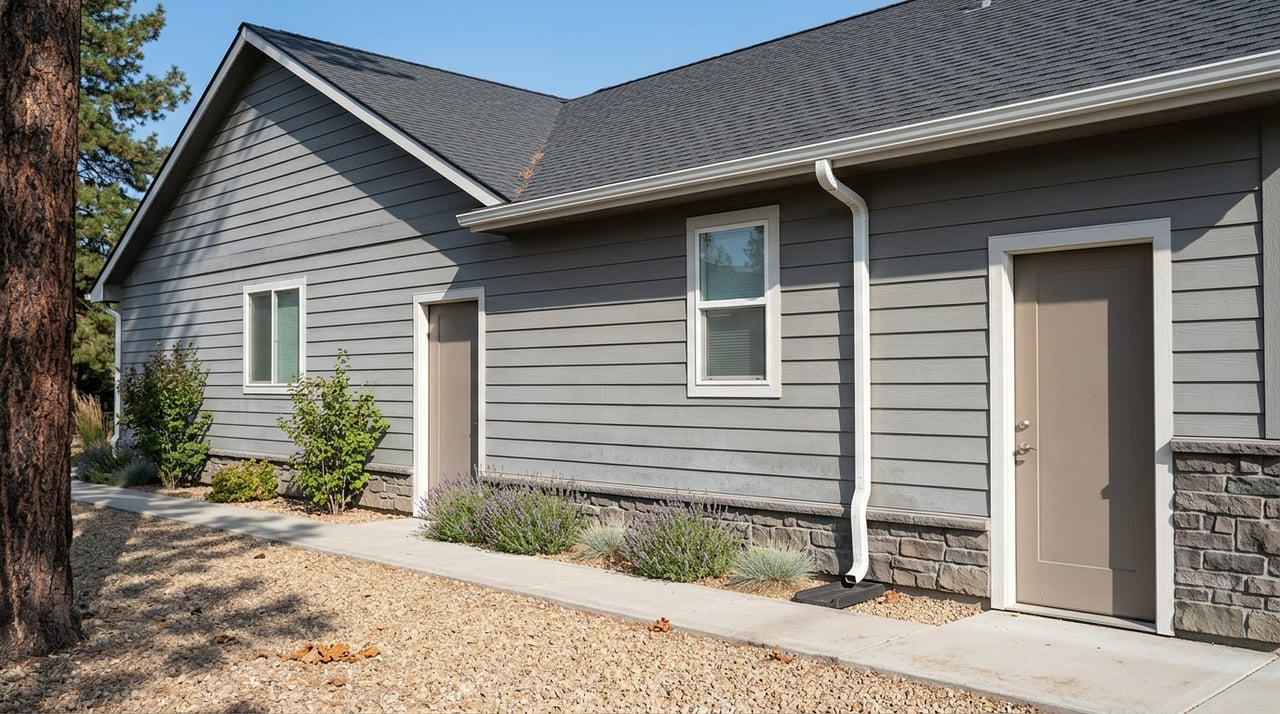
Buying a home in Selah is exciting, but it can also feel like a lot happens at once after your offer is accepted. One of the biggest early steps is the home inspection, and it often plays a major role in how confident you feel moving forward. If you want to know what the inspection does, what it does not do, and how it can shape your next decisions, this guide will walk you through it. Let’s dive in.
Where the inspection fits
In a Washington home purchase, the home inspection usually happens after mutual acceptance and before closing. That means you are already under contract, but you still have an important chance to learn more about the property’s condition.
This timing matters because buyers often review the seller disclosure statement and schedule the inspection during the same early post-offer window. In Washington, the seller disclosure is delivered within five business days after mutual acceptance, and you then have three business days to accept or rescind that disclosure.
It is also important to know that the seller disclosure is not a warranty. Under Washington law, it is the seller’s disclosure, not the agent’s, and it is not considered part of the written agreement between buyer and seller. In plain terms, the inspection gives you a separate way to verify the home’s current condition.
Why the inspection matters
A home inspection is one of the clearest tools you have for understanding what you are buying. It helps you identify visible issues with the home’s major systems and components before you get to closing.
That can give you better information for budgeting, planning repairs, and deciding whether the home still feels like the right fit. It can also help you separate normal maintenance items from bigger concerns that may need more attention.
The inspection is also different from the appraisal. In many purchases, you will likely need both, but they serve different purposes.
What a Washington inspection covers
Washington defines a home inspection as a visual, non-invasive examination of the home’s current condition. That means the inspector is looking at accessible, observable features rather than opening walls or making guarantees about hidden issues.
Under Washington standards of practice, a standard inspection generally covers these areas:
- Structure
- Exterior
- Roof
- Plumbing
- Electrical
- Heating
- Air conditioning
- Interior
- Insulation and ventilation
- Fireplaces and stoves
- Site
- Attached garages or carports
Inspectors also perform representative checks of accessible components such as windows, receptacles, light fixtures, and parts of major systems. The goal is to give you a practical snapshot of the home’s condition at the time of the inspection.
What the inspection does not cover
This is where many buyers need the most clarity. A standard Washington home inspection is helpful, but it has limits.
Under state standards, inspectors do not have to determine hidden conditions, code compliance, future remaining life, the cause of a defect, environmental hazards like mold, asbestos, or lead, underground items, or the condition and operation of private water supply systems and on-site sewage systems.
The preinspection agreement must also state that issues such as mold, asbestos, lead paint, water, soil, and air quality are not included unless those services are separately agreed to in writing. That means a clean general inspection report does not automatically answer every question about the property.
Why this matters in Selah
For many buyers in and around Selah, this is especially important because some homes may involve private wells, septic systems, or irrigation-related questions. Those items can be part of the overall purchase conversation, even though they are outside the scope of a standard home inspection.
Yakima County handles separate septic-related and water-related review processes. The county septic program offers services such as site evaluation, septic clearance, existing system evaluation, and mortgage review for sellers and purchasers.
Yakima County’s drinking water program also provides well site inspections, Group B approvals, and mortgage reviews tied to well and septic lending requirements. For homes with private wells, water sampling may also be required by the county, a planning department, or a lender when a home is bought or sold.
Yakima County notes that shared-well approval can require a well site inspection plus nitrate and coliform testing. The Washington Department of Health also states that buyers or lenders may need proof of water-system adequacy for Group B systems.
Washington’s seller disclosure form also asks whether the property receives irrigation water from a ditch company or irrigation district, and whether the sewer system is public or on-site. For Selah buyers, that is a good reminder that water supply, irrigation, and septic history may deserve closer review depending on the property.
How to use the inspection wisely
The most helpful way to think about the inspection is as a decision tool. It gives you information, but the real value comes from how you use that information.
If possible, attend the inspection. Being there can make it easier to understand the inspector’s observations, ask questions in real time, and learn which issues appear routine versus which ones may need specialist follow-up.
When the report comes back, try to sort findings into a few simple categories:
- Routine maintenance items
- Repairs you can likely budget for after closing
- Issues that may need additional evaluation
- Problems that could affect your comfort level, financing, or overall budget
This approach can make the report feel much more manageable. Most inspection reports are long, and many include a mix of minor upkeep notes and more meaningful concerns.
What happens after the report
If the inspection uncovers repair issues, you may have options depending on your contract terms. Buyers can often ask the seller to make repairs, offer a credit, or renegotiate the price.
If your contract is contingent on a satisfactory inspection, you may also be able to cancel without penalty if the findings are serious enough. That gives you room to make a thoughtful decision instead of feeling locked in.
In some loan programs, major repairs may also become a lender requirement before closing or be handled through a repair escrow. That is one more reason the inspection can affect not just your comfort level, but also the path to closing.
Keep the final walk-through in mind
The inspection is not the last check you will have. Right before closing, the final walk-through gives you a chance to confirm that agreed repairs were completed and that the home is in the expected condition.
This step is especially important if inspection-related repairs were part of the agreement. It helps you verify that the property matches what you agreed to buy before you sign the final paperwork.
A practical mindset for Selah buyers
In Selah, every property has its own details, and some homes call for a little more follow-up than others. A newer home on public utilities may raise one set of questions, while a property with private water or on-site sewage may lead to a different kind of review.
That does not mean you should feel overwhelmed. It simply means the inspection is one part of a larger due diligence process that helps you make a confident, informed purchase decision.
When you understand both the value and the limits of the inspection, you are in a much better position to move forward with clarity. And that can make the entire buying process feel a lot more manageable.
If you are planning a purchase in Selah and want a local partner who can help you think through inspections, disclosures, and the details that matter in Yakima County, reach out to Amanda Uecker for a free consultation.
FAQs
When does a home inspection happen in a Selah purchase?
- In Washington, the inspection usually happens after mutual acceptance and before closing.
What does a standard Washington home inspection cover?
- A standard inspection generally covers the structure, exterior, roof, plumbing, electrical, heating, air conditioning, interior, insulation and ventilation, fireplaces and stoves, site, and attached garages or carports.
Does a Selah home inspection include septic or well testing?
- Not usually. Washington standards say a general home inspection does not include the condition or operation of private water supply systems and on-site sewage systems.
Can you ask for repairs after a Selah home inspection?
- Yes. Depending on your contract, you may be able to ask for repairs, request a credit, renegotiate the price, or cancel if the inspection contingency allows it.
Is the seller disclosure enough without a home inspection in Washington?
- No. The seller disclosure is important, but Washington law says it is not a warranty and is not part of the written agreement between buyer and seller.
What is the final walk-through in a Selah home purchase?
- The final walk-through happens right before closing and gives you a chance to confirm agreed repairs were completed and the home is in the expected condition.