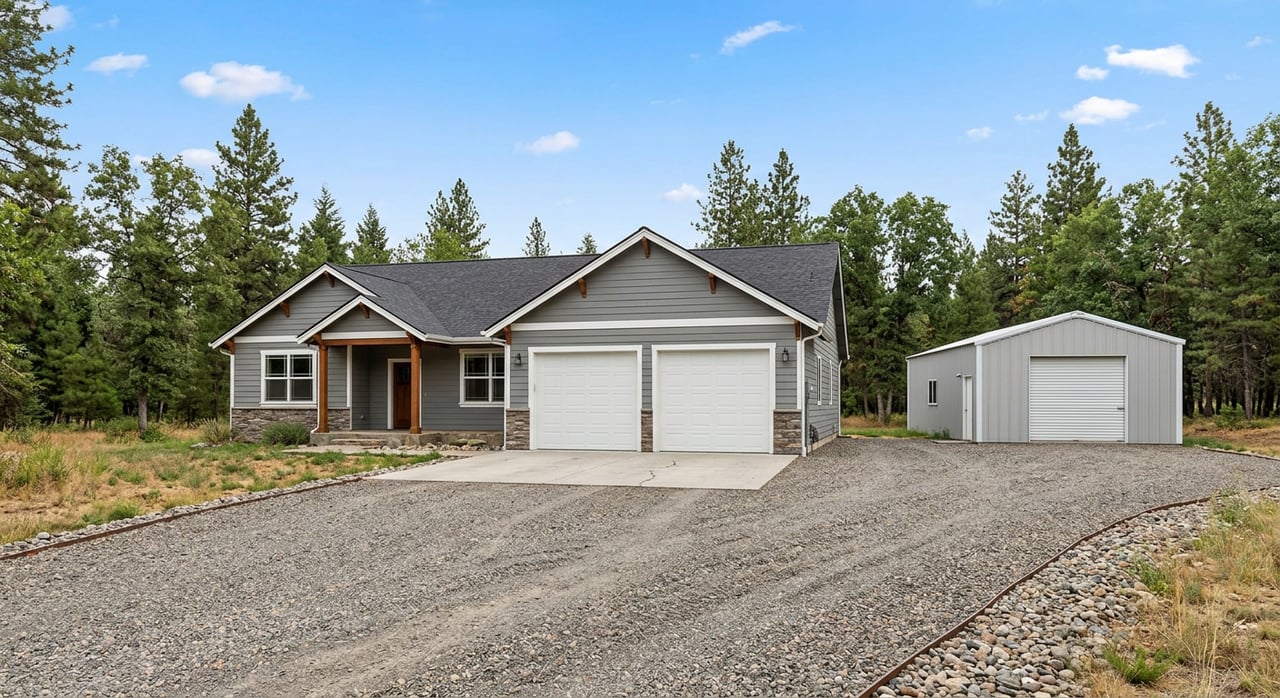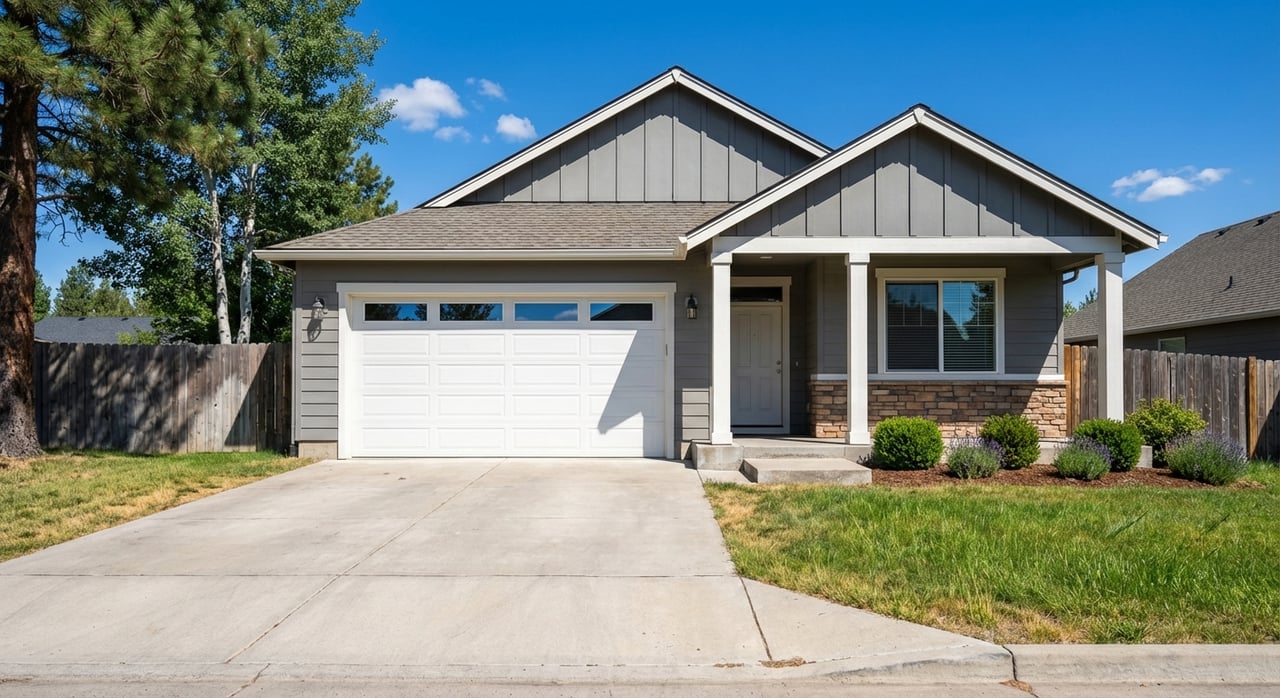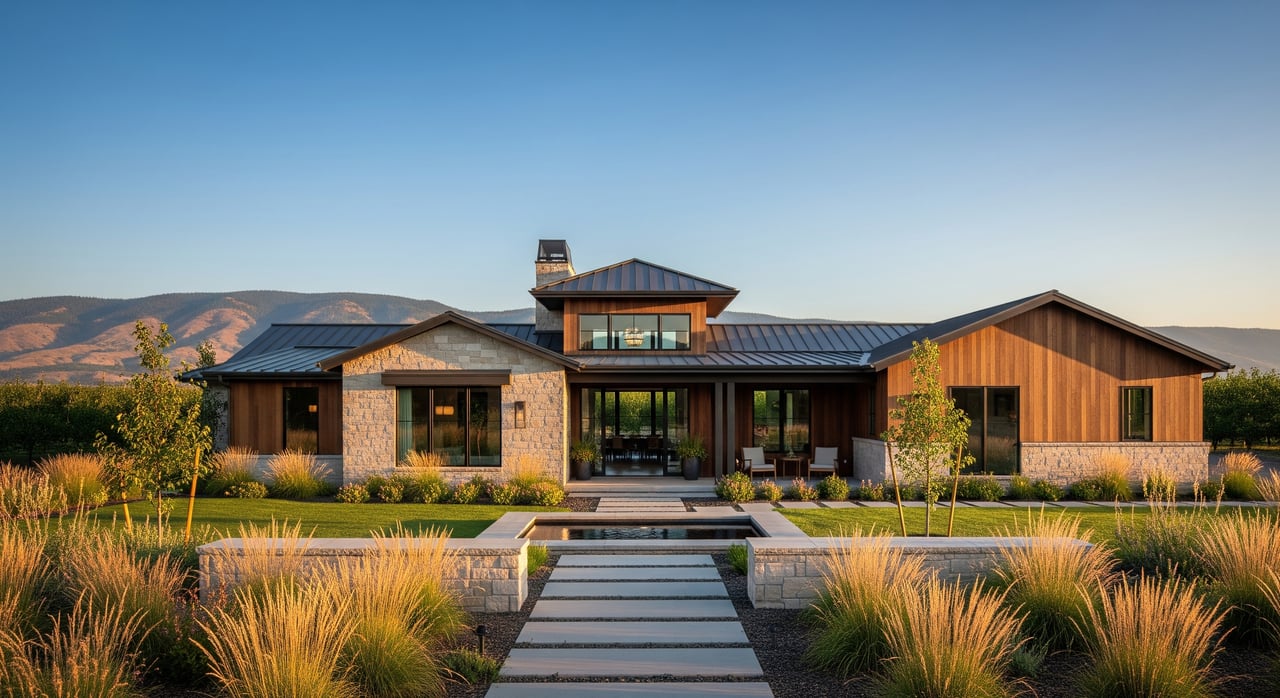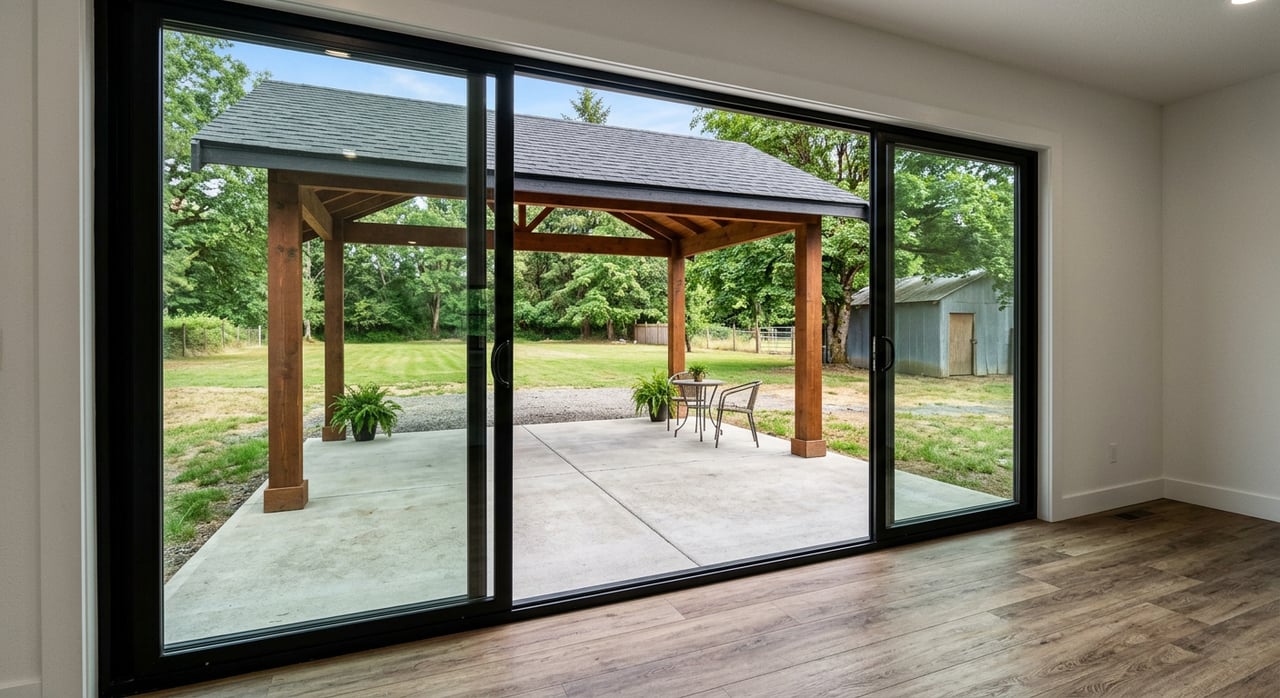
If sunrise over open shrub-steppe, orchard rows, and basalt ridges sounds like your kind of morning, Cowiche might be calling. You want room to breathe, maybe a few animals or a garden, without losing easy access to Yakima. This guide gives you a clear picture of daily life on acreage around Cowiche, plus the practical checks you should make before you buy. You will learn about water and septic, roads and winter care, broadband options, irrigation, wildfire readiness, and the steps that help you close with confidence. Let’s dive in.
Cowiche at a glance
Cowiche is a small, unincorporated community on the western edge of the Yakima Valley, near Cowiche Creek and the namesake canyon. Expect a quiet, agricultural rhythm with a mix of orchards, pasture, and native sage on the hillsides. The setting feels rural and open, with broad valley views and quick access to nature. You can read more about the community’s location and landscape on the Cowiche summary page at Wikipedia.
You are close to town when you want it. Typical drives to central Yakima run about 10 to 30 minutes depending on your route and exact address, with Summitview and Powerhouse as common corridors. For a general sense of distance, see the Cowiche-to-Yakima drive time reference from Distance Cities.
Recreation is part of the lifestyle. The Cowiche Canyon Conservancy maintains multi-use trails used year-round for hiking, mountain biking, and horseback riding, which many acreage owners enjoy as a nearby daily escape. Explore trail maps and stewardship work through the Cowiche Canyon Conservancy.
Climate and seasons
Cowiche sits in the Cascade rain shadow with a semi-arid climate. Summers are hot and dry, and winters are cool with light precipitation compared to the west side of the state. Irrigation is essential for orchards, vineyards, gardens, and lawns. For a climate snapshot, review Yakima’s official summaries via the National Weather Service product hosted by the IEM portal here.
If you plan to grow, you will plan your year around water. The Yakima Basin runs on a long-standing network of irrigation projects and districts, with seasonal deliveries that typically start in spring and continue through late summer or fall. Learn more about regional water management in the Yakima Basin project overview from the Yakima Basin Fish & Wildlife Recovery Board.
Daily life on acreage
On most days, you will trade the buzz of town for the quiet of fields and trails. Morning and evening chores bookend summer days, with irrigation, mowing, pruning, or animal care as regular tasks. In winter, you will manage driveway snow or ice and keep an eye on roofs, gutters, and trees in wind events.
Privacy is a real benefit. Many parcels back to open slopes or canyon edges, which means fewer immediate neighbors and big-sky sunsets. The flip side is longer drives for groceries and services, and the need to handle your own systems like wells and septic.
Utilities and services you will manage
Water and irrigation
Most acreage properties rely on private wells or irrigation deliveries, not municipal water. Washington’s permit-exempt groundwater rule allows certain small domestic wells, but it is not a blanket permission. Exempt wells remain subject to basin rules and prior appropriations, so you should confirm legal water availability for any new build. Start with the state guidance on the permit exemption from the Washington Department of Ecology.
If irrigation is important for an orchard, pasture, or garden, verify whether your parcel includes irrigation water rights or district delivery and what assessments apply. The Yakima Basin’s irrigation framework is outlined in the Yakima Basin project materials.
Septic systems
Most rural homes use on-site sewage systems. As a buyer, plan to order a septic inspection and request records or prior permits from Yakima County Environmental Health. The county’s OSS program page explains permitting and inspections for septic systems, which you can access through Yakima County Environmental Health.
Electricity
Pacific Power is a common electricity provider in the Yakima area. On some rural parcels, you may need a line extension or transformer upgrade to power a shop or heavy equipment. Confirm your provider and available service capacity early. You can look up area provider information through Find Energy’s Pacific Power summary.
Internet and communications
Broadband can be mixed in rural Yakima County. You will see fixed wireless in many spots, some pockets of cable or fiber, and satellite options. If you need a strong home office connection, verify coverage at the driveway and proposed house site. Several local fixed-wireless ISPs advertise coverage in Cowiche; start with the service area notes at Gigabeam Internet.
Roads and winter
Many Cowiche addresses sit on county roads with private driveways that can be long or steep. County plowing exists but is slower than in town, and private drives remain your responsibility. Ask Yakima County which entity maintains your road segment and review county rules before you plan upgrades. County code and definitions for land use and improvements are available through Yakima County Code Publishing.
Fire, EMS and healthcare
Local fire protection is provided by county fire districts and volunteer stations serving Cowiche and Tieton. Response times to remote acreage can be longer, so plan for defensible space and ask the district about hydrants, burn rules, and brush management. County emergency planning documents list local stations and contacts; start with the Yakima County planning resource here. For higher-acuity care, the region’s primary hospital is MultiCare Yakima Memorial Hospital in Yakima, which you can locate via MapQuest.
Land use, buildings, and animals
Zoning and allowed uses
Yakima County treats a wide range of horticulture and livestock activities as agricultural uses. Hobby-scale orchards, grazing, bees, and gardens are commonly allowed in agricultural zones, while commercial operations can trigger different rules. Always confirm a parcel’s zoning and any covenants or easements with the county. For definitions and code language, see Yakima County Code Title 19.
Outbuildings and agricultural exemptions
Some agricultural structures are treated differently from typical residential accessory buildings, but exemptions are conditional. Use, size, and whether anyone will live in the building all matter. Before you plan a pole barn, arena, or large shop, talk with the county building division and review Title 19 provisions for your zone.
Animals and manure management
Keeping a few livestock or horses is common on acreage. Larger herds and manure storage increase regulatory requirements. If you intend to scale beyond a hobby setup, confirm thresholds and environmental health rules with the county. You can start with the agricultural sections in Yakima County Code.
Costs and risk signals
Property taxes
Washington uses a levy-based property tax system, so effective rates vary by county districts such as schools, fire, and EMS. Plan your carrying costs with the Yakima County assessor and treasurer, and include any voted special levies in your estimate. The county explains the levy system in this Yakima County overview.
Wildfire risk and insurance
Shrub-steppe slopes and canyon terrain can elevate wildfire risk in dry summers. Many rural homeowners invest in defensible space and fuel reduction. Ask your insurer about coverage in your micro-area and consult local guidance through Yakima County’s emergency planning resource here.
Market context
Available listings in the Cowiche area range from small hobby parcels to working orchard ground and larger ridge properties. Price depends heavily on water rights, improvements like barns or fencing, and access. Third-party indexes place typical values in the low-to-mid six figures, but prices change quickly. For current numbers, compare recent sales and active inventory with a local agent.
Buyer checklist for Cowiche acreage
Use this quick list to focus your due diligence on the essentials:
- Confirm zoning and allowed uses with Yakima County Planning and review applicable code sections in Title 19.
- Verify water: request recorded irrigation rights or delivery details, a well log if applicable, and a water-availability determination when needed. Start with the Department of Ecology’s permit-exempt well guidance and the Yakima Basin irrigation overview from YBFWRB.
- Order a septic inspection and pull permit history through Yakima County Environmental Health.
- Confirm electricity provider, service line, and transformer capacity for any shop or barn loads. See the area provider reference for Pacific Power at Find Energy.
- Check broadband and cell coverage at the driveway and homesite; request a line-of-sight test for fixed wireless if needed. Start with Gigabeam’s service areas.
- Contact the local fire district about defensible space, hydrant access, and burn rules; find county contacts in the Yakima County emergency planning document.
- If schools are relevant, confirm assignments and bus pickup logistics with the Highland School District; see district materials here.
- Ask a soils or extension consultant to review drainage and suitability for your plans, including orchard rows, pasture, arenas, and septic drainfields. A regional background on crops and soils is summarized in this Washington wine and agriculture guide.
Is Cowiche acreage right for you?
If you value space, privacy, and trail access, Cowiche is a strong fit. You will gain room for a shop or greenhouse, big views, and a quiet setting. You will also take on practical responsibilities like well and septic care, seasonal irrigation, driveway maintenance, and planning for wildfire. With the right parcel and a clear plan, the lifestyle rewards are real.
Ready to compare parcels, check water or septic details, or time a move with the local market? Connect with Valley Partners for local guidance and a smooth, full-service purchase experience.
FAQs
How long is the commute from Cowiche to Yakima?
- Most Cowiche addresses are about 10 to 30 minutes from central Yakima, depending on your exact route and road conditions.
What should I know about wells and water rights in Cowiche?
- Many parcels use private wells and separate irrigation deliveries, so you should verify legal water availability, well logs, and any irrigation rights or assessments before you buy.
Are septic inspections required when buying rural property?
- Lenders and buyers commonly order a septic inspection and request county permit records to confirm system type, location, and condition before closing.
What internet options are typical on rural Cowiche acreage?
- Fixed wireless is common, some areas have cable or fiber, and satellite is available, so verify speeds and reliability at the driveway and homesite.
How significant is wildfire risk near Cowiche Canyon?
- Dry shrub-steppe and canyon terrain can raise risk in summer, so plan for defensible space, follow local burn rules, and confirm coverage with your insurer.
Which schools serve Cowiche addresses?
- Cowiche is served by the Highland School District, with specific school assignments and transportation confirmed directly with the district.