Thinking about trading your Yakima starter home for more space, a bigger yard, or a newer layout that actually fits your life? You’re not alone. Many local homeowners are eyeing the next step and want a clear picture of where to look and what to expect. In this guide, you’ll compare Yakima’s top move-up areas, weigh real trade-offs, and map out smart next steps to buy with confidence. Let’s dive in.
What move-up buyers want most
You’re likely looking for a home that adds real, livable space. That can mean 3 to 5 bedrooms, an open kitchen, a finished basement, or a flexible office or multigenerational setup. You might also want a larger lot for kids, pets, RV or boat parking, or gardening. Newer systems and lower maintenance can be a big priority, along with everyday convenience, reasonable commutes, and steady resale demand.
Keep your checklist focused on: usable square footage, lot size and upkeep, commute to downtown and I-82, nearby schools and services, and whether the home is newer or due for updates.
Top Yakima move-up areas
Terrace Heights
If you want larger lots and a quieter residential feel while staying close to town, Terrace Heights is a strong option. You’ll see a mix of mid-century ranches, 1970s to 1990s homes, and some newer infill. Lots are often larger than central Yakima, commonly around a quarter to three-quarters of an acre and sometimes more. The commute to downtown typically runs 10 to 20 minutes, with local arterials providing direct access.
You’ll find convenient access to parks, open space, and views of surrounding hills. Retail is more spread out, so expect short drives for major shopping. Pros include bigger yards and a calmer pace. Cons include fewer walkable retail options and older homes that may need modernization.
Summitview / South Yakima
For established subdivisions and larger homes, look here. Many properties are late 20th-century ranch or split-level homes on lots that run roughly 0.18 to 0.4 acres, with some larger parcels nearer to the hills or the valley edge. The drive to central Yakima is often 10 to 20 minutes and tends to be convenient for southbound travel.
You’ll have neighborhood parks and quick access to groceries and services. Inventory of truly new construction can be limited, and some homes may need updates. The payoff is a stable, family-focused setting with room to grow.
West Yakima / Downtown-adjacent
If you want more space than your starter home but want to stay close to restaurants, cultural spots, and city parks, consider West Yakima and areas near the Nob Hill corridor. You’ll see older craftsman and mid-century homes, including nicely remodeled options. Lots are generally smaller, about 0.1 to 0.25 acres, but commutes are short at around 5 to 10 minutes to downtown.
You’ll enjoy strong walkability to amenities and access to city parks and the Yakima River Greenway. Expect fewer new-build options and more traffic than quieter suburbs. If location and lifestyle are key, this area often delivers.
Union Gap / Valley Mall area
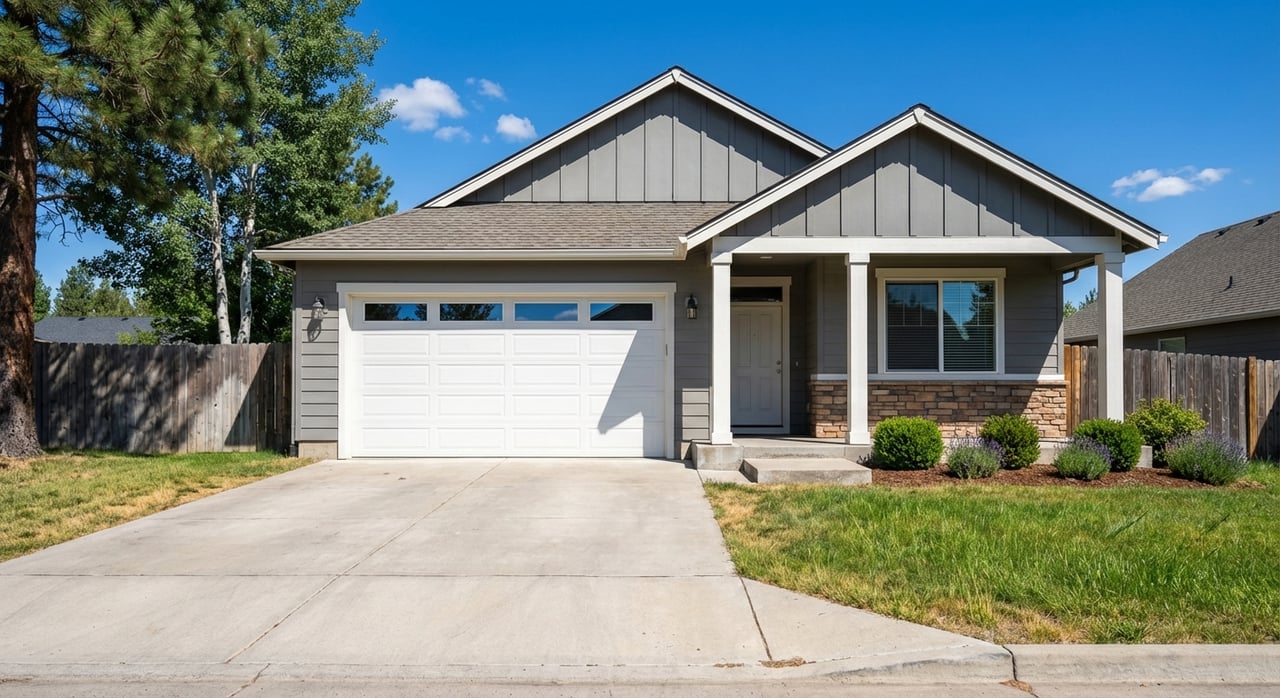
When quick freeway access and newer floor plans matter, this area stands out. You’ll find master-planned subdivisions and tract homes built from the 2000s to today, often with modern layouts and larger garages. Lot sizes in subdivisions tend to be smaller to medium, roughly 0.12 to 0.3 acres, with some larger parcels on the outskirts.
The commute to central Yakima is commonly 5 to 15 minutes, and access to I-82 is excellent for regional trips. You’ll be close to Valley Mall, big-box retail, and a variety of dining options. Pros include newer construction and convenience. Cons include more commercial traffic and generally smaller lots than areas like Terrace Heights.
Nearby small cities: Selah and Moxee
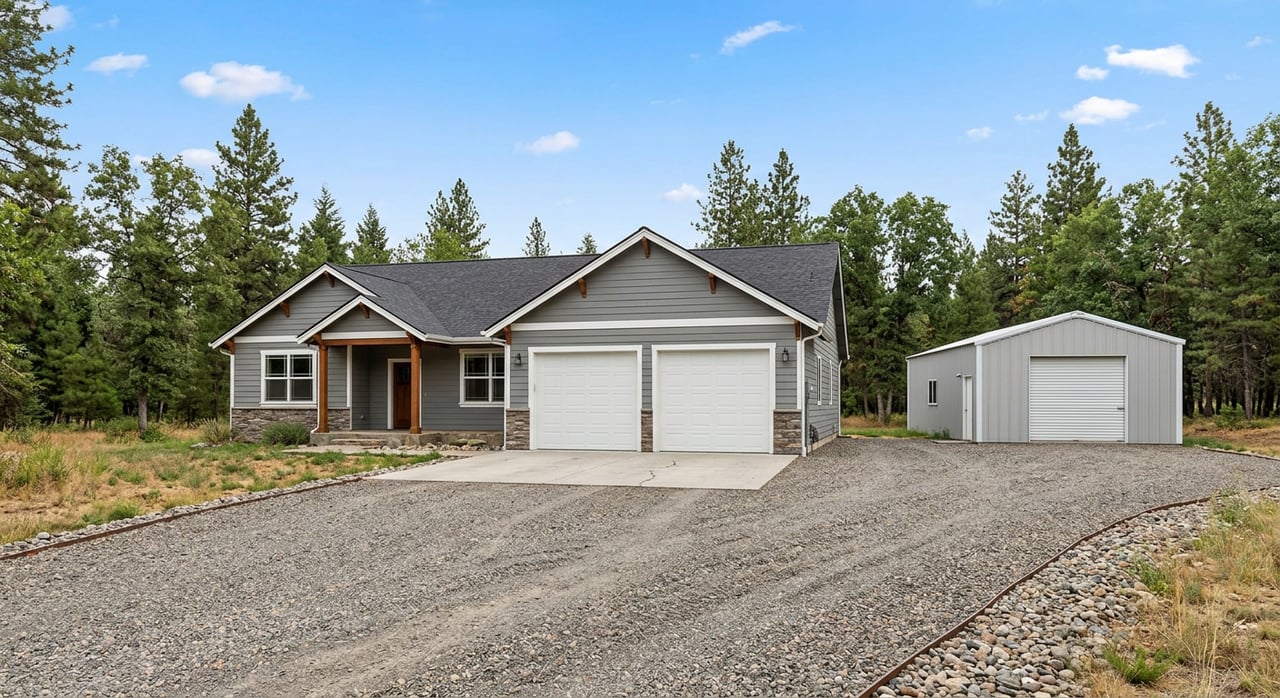
If you’re open to a slightly longer drive for more land and a quieter setting, Selah and Moxee are popular. You’ll find a mix of older farm and acreage properties alongside newer subdivisions. Lot sizes can range from about a quarter acre to two acres or more, especially on agricultural or equestrian-friendly parcels.
Selah is roughly 10 to 20 minutes north of Yakima, while Moxee and other nearby towns can be 15 to 30 minutes or more. Everyday services are available locally, though many residents drive into Yakima for major shopping. The trade-off is more space and lower density balanced against longer commutes and fewer nearby urban amenities.
Key trade-offs to weigh
Central Yakima to Terrace Heights
- What you gain:
- Larger lots with room to garden, play, or park extra vehicles.
- A quieter residential feel and easier access to open space.
- Views of surrounding hills and a suburban pace.
- What you give up:
- Walkability to dense retail and dining clusters.
- Some homes may be older and need updates.
- Slightly longer drives for shopping and services.
Summitview / South Yakima to Union Gap / Valley Mall
- What you gain:
- Newer floor plans and systems with lower near-term maintenance.
- Excellent I-82 access for regional commutes.
- Close proximity to Valley Mall and a broad array of retail.
- What you give up:
- Smaller typical subdivision lot sizes.
- More commercial activity and traffic.
- Possible HOA and CC&R rules that affect exterior choices.
Commute, schools, and utilities to verify
Before you tour, line up the details that matter most to your daily life:
- Commute times: I-82 and key corridors like Yakima Ave and Tieton/16th Ave shape rush-hour patterns. Terrace Heights and Union Gap often offer balanced commutes, while West Yakima is typically shortest to downtown. Selah and Moxee runs are longer.
- School boundaries: Boundaries can cross municipal lines. Confirm the specific school assignment for each property address and review official report cards as needed.
- HOAs and covenants: Newer subdivisions, especially near Union Gap and the Valley Mall corridor, are more likely to have HOAs and CC&Rs that guide exterior and yard use. Older areas usually do not.
- Sewer vs septic: Central Yakima generally uses municipal sewer, while some outskirts and rural parcels rely on septic. Maintenance and permitting differ.
- Irrigation and water rights: Larger or former orchard parcels may include irrigation infrastructure, easements, or seasonal watering considerations. Ask about water supply, irrigation districts, and any restrictions.
- Development trends: Keep an eye on new subdivision plats, retail projects near Valley Mall, and infrastructure updates covered by local planning and news outlets.
How to get ready to move up
- Get pre-approved so you understand your price band in today’s market.
- Tour multiple neighborhoods at different times of day to feel commute patterns and traffic.
- Verify school assignments by address and review official district resources.
- Review recent comparable sales and on-market options with a local expert.
- For larger lots or rural-edge homes, ask about irrigation, water service, and any easements.
If you want a partner to map your trade-up plan, unlock off-market options, and negotiate your move with confidence, connect with Valley Partners. We’ll help you compare neighborhoods, line up the right tours, and buy the home that fits your next chapter.
FAQs
Affordability for move-up buyers in Yakima
- Start with a mortgage pre-approval, then review recent comparable sales with your agent to set realistic home and lot targets that match current inventory and rates.
Newer construction areas in Yakima
- You’ll see more recent subdivisions around Union Gap and the Valley Mall corridor, with additional options in some nearby small cities; central Yakima and Terrace Heights have more renovation opportunities.
Typical commute times to downtown Yakima
- West Yakima is often 5 to 10 minutes, Terrace Heights and Summitview are around 10 to 20 minutes, Union Gap is roughly 5 to 15 minutes, and Selah or Moxee can run 10 to 30 minutes or more.
Irrigation and watering rules for larger lots
- Yakima Valley has seasonal and irrigation-focused considerations, so ask about municipal watering schedules, irrigation district service, and any easements affecting yard use.
HOA and CC&R expectations in newer subdivisions
- Many newer subdivisions, especially near Valley Mall and I-82, include HOAs and covenants that guide exterior paint, fencing, parking, and landscaping, while older areas often do not.
Verifying school assignments before you buy
- Do not rely on general maps; confirm each property’s exact school assignment by address and review official district and state resources for neutral performance data.
Sewer vs septic in Yakima-area homes
- Central neighborhoods commonly use municipal sewer, while some outskirts and rural parcels use septic systems that require different maintenance and permitting considerations.