Trying to choose between Yakima and the Tri-Cities for your next move? You are not alone. Both areas offer plenty of sunshine, outdoor access, and strong community feel, but the day-to-day costs and lifestyle can feel different. In this guide, you will see how housing, taxes, commutes, and amenities compare so you can decide which market fits your budget and routine best. Let’s dive in.
Two Central Washington options
Yakima and the Tri-Cities sit about 60 to 70 miles apart, with a typical drive time of roughly 1 to 1.5 hours along US‑12 and I‑82. If you split your time between the two or plan weekend trips, that distance is workable. For a daily commute, most people prefer to live closer to work.
The Tri-Cities metro is larger and includes Kennewick, Pasco, and Richland, plus nearby suburbs in Benton and Franklin counties. Yakima refers to the City of Yakima and surrounding towns in Yakima County, such as Selah, Union Gap, Terrace Heights, Moxee, and Naches.
Housing costs compared
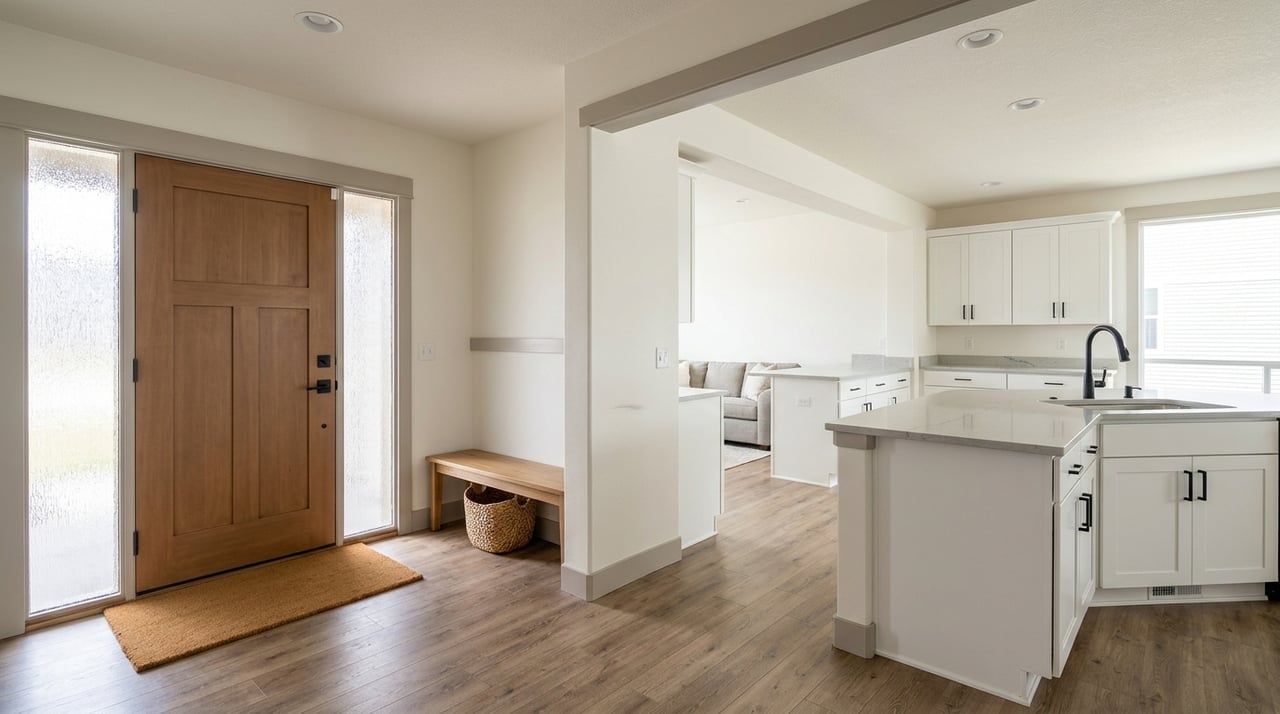
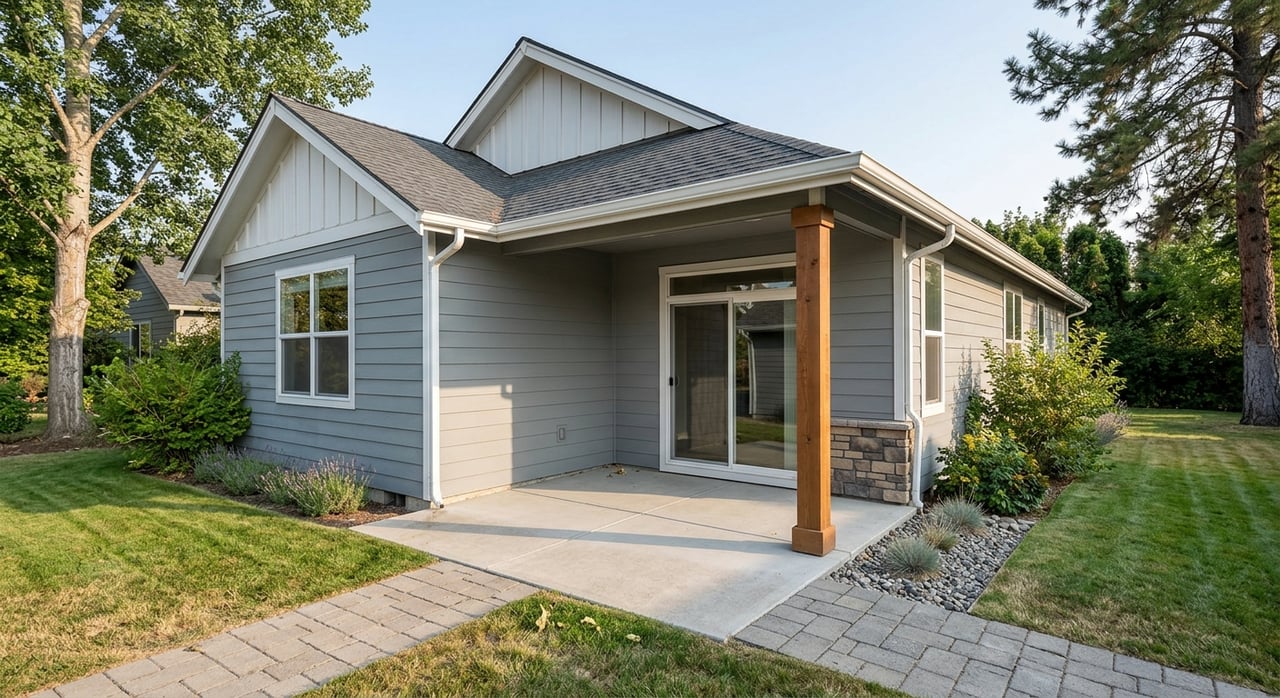
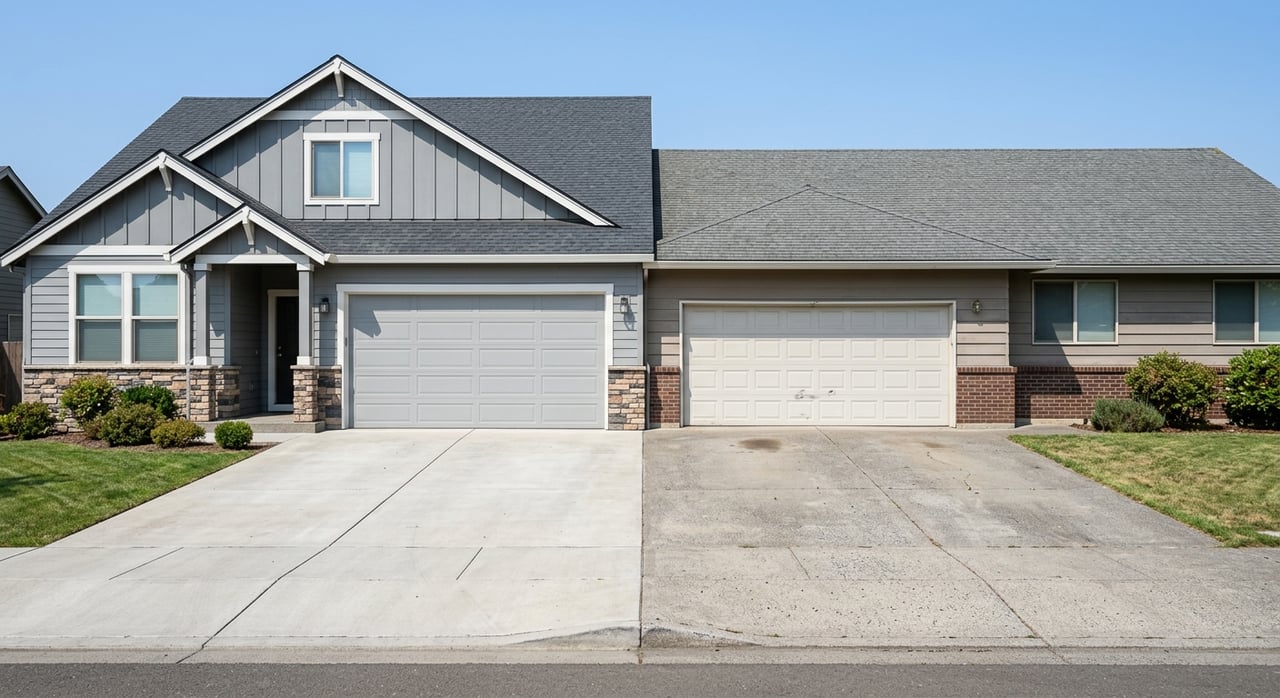
Historically, Yakima’s home prices and rents tend to be lower than the Tri-Cities. The gap can vary by neighborhood and market cycle, and there are higher-priced pockets in both metros. If you are stretching for space or acreage, Yakima often offers more house for the money. If you want newer subdivisions near larger employment centers, you will see more of those choices in Tri-Cities.
For-sale market
- In Yakima, you will find a mix of older in-town homes, suburban neighborhoods like West Valley and Terrace Heights, and surrounding small towns with different price profiles.
- In the Tri-Cities, expect many newer subdivisions, especially in South Richland, West Richland, South Kennewick, and areas of East Pasco, with price ranges that reflect proximity to employment centers and amenities.
- Inventory and months of supply shift seasonally. To understand current conditions, review recent sales and price trends using American Community Survey context for housing characteristics and commute patterns. You can start with the U.S. Census overview of the American Community Survey.
Rents and housing types
- Yakima’s rental market generally runs lower on average than the Tri-Cities, with a mix of single-family rentals, small multifamily buildings, and manufactured homes.
- Tri-Cities rental stock includes apartments near employment nodes and single-family rentals in newer subdivisions. The variety can help if you are relocating for a trial period before buying.
Property taxes and sales tax
Washington does not have a state income tax, so your take-home pay is not affected at the state level. Your recurring housing costs will depend on assessed value and local levies. For a true comparison, check the county assessor pages where you are shopping:
- Review Yakima County assessments and levy info on the Yakima County Assessor page.
- If you are looking in Tri-Cities, check both Benton County and Franklin County. Start with the Benton County Assessor and the Franklin County Assessor.
Sales tax also varies by jurisdiction. Confirm current rates for specific cities and counties using the Washington Department of Revenue’s sales and use tax rates lookup.
Wages and job mix
Job mix in each metro can influence your total cost picture. The Tri-Cities has a strong concentration of federal, energy, and lab-related work tied to major employers, which often translates to higher average wages in engineering, scientific, and technical roles. Yakima’s economy is anchored by agriculture, food processing, logistics, retail, and regional healthcare.
To compare wages and unemployment trends by county or occupation, review Washington State’s labor market dashboards from the Employment Security Department. You can start with Labor Market Information at ESD and explore local data before you decide which area aligns with your career.
Commute and transportation
Daily commuting reality
Both Yakima and the Tri-Cities are car-first regions. Most people drive to work, and average commute times are near or slightly below national averages for mid-sized metros. Commuting daily between Yakima and Richland is possible, but it is a long drive for most. Many buyers choose to live closer to their primary job or negotiate hybrid schedules.
Public transit options
Transit exists in both metros for local trips, with limited evening and weekend service compared to larger cities. Review route maps and schedules to see if they fit your routine:
- Yakima service and paratransit details are available through Yakima Transit.
- Tri-Cities routes and service areas are covered by Ben Franklin Transit.
Road access and airports
Major highways include US‑12 and I‑82, which connect Yakima and the Tri-Cities, with I‑84 and other routes providing wider regional access. Yakima Air Terminal offers regional service, and Tri-Cities Airport in Pasco offers broader commercial routes. If air travel matters, consider drive times to each airport from your preferred neighborhood.
Climate and outdoor lifestyle
Both markets share a semi-arid climate with many sunny days, hot, dry summers, and cool winters. You will see low annual precipitation compared with the west side of the Cascades. For historical temperature and precipitation context, browse climate normals at NOAA’s National Centers for Environmental Information.
Key lifestyle differences often come down to outdoor preferences:
- Yakima: You are closer to Cascade foothills and mountain access points, with quick routes to White Pass, forested trailheads, and the Yakima River Canyon for rafting and fishing. The valley’s hop fields, orchards, and wineries create a vibrant farm-to-table and tasting-room scene.
- Tri-Cities: You can enjoy Columbia River access for boating and fishing, as well as popular in-town trail networks and nearby hikes like Badger Mountain. The area also anchors a large regional wine industry, with tasting rooms and events throughout the year.
Schools, healthcare, and services
School options vary by neighborhood in both metros. Some districts in the Tri-Cities report higher performance in specific zones, and Yakima offers a range of programs across its districts. Because school quality depends on attendance boundaries and grade levels, it is best to review official report cards and compare campuses near homes you are considering. Use the Washington Office of Superintendent of Public Instruction’s Report Card portal for current data.
Healthcare access is strong in both metros. The Tri-Cities hosts larger regional medical centers and specialty services. Yakima supports significant facilities that serve Central Washington and may require occasional travel for specialized care. For routine needs, you can find clinics and urgent care across both areas.
Shopping and dining choices are broader in the Tri-Cities due to scale and multiple urban cores. Yakima maintains a lively downtown, neighborhood centers, seasonal farmers markets, and local restaurants that reflect its agricultural roots.
Which fits your priorities
Here are a few ways to think about the tradeoffs based on common goals:
- If you want a larger lot or a bit more square footage within a set budget: Yakima often delivers more space and proximity to mountain recreation. You may trade off a longer drive to a larger regional airport and some specialty services.
- If you prioritize proximity to federal or engineering employers and a wider range of new-construction subdivisions: Tri-Cities will likely offer more neighborhoods near key job centers and river recreation. You may see higher purchase prices or rents in some areas.
- If you plan to rent for a year then buy: Yakima’s rental costs tend to be lower, which can help you save for a down payment while you learn the market. Tri-Cities offers a wider spread of rental options near employment nodes.
How to compare step by step
Use this checklist to build a clear side-by-side view based on your needs:
- Define your must-haves. List budget range, commute tolerance in minutes, school priorities, yard or acreage preferences, and airport access needs.
- Confirm current housing costs. Review recent sales, price trends, and rent levels. Use the U.S. Census ACS resources for context on housing characteristics and commute patterns.
- Estimate taxes and utilities. Check effective property taxes for target homes using county assessor sites for Yakima County, Benton County, and Franklin County. Confirm sales tax by city on the Department of Revenue’s sales and use tax rates page.
- Validate commute options. Map door-to-door routes at typical rush hours. If you will use transit for any trips, review schedules at Yakima Transit and Ben Franklin Transit.
- Check job and wage data. Compare county-level wages and unemployment through Washington ESD Labor Market Information to see how your field stacks up in each metro.
- Plan a field visit. Tour neighborhoods at different times of day, visit parks or trails you expect to use, and test commute routes. Pair in-person showings with virtual tours to cover more ground.
Work with a local partner
Choosing between Yakima and the Tri-Cities is easier when you have local insight and a plan. Our team brings decades of Yakima Valley experience, neighborhood-by-neighborhood guidance, and a client-first approach that helps you weigh total cost and lifestyle fit. If you are moving within the valley or relocating from out of the area, we can line up on-market and private opportunities, tailor tours to your priorities, and guide you through pricing, taxes, and timelines.
Ready to compare neighborhoods and homes side by side? Schedule a free consultation with Valley Partners and let’s map your next move.
FAQs
What is the typical drive time between Yakima and the Tri-Cities
- Plan for about 1 to 1.5 hours each way under normal conditions, depending on your exact start and end points and traffic.
How do Yakima and Tri-Cities home prices generally compare for buyers
- Yakima’s home prices are generally lower than the Tri-Cities, though the difference varies by neighborhood, property type, and market cycle.
Where can I check current sales tax and property tax details for each area
- Use the Washington Department of Revenue for sales tax rates and each county assessor’s site for assessed values and levy information.
What are the public transit options in Yakima and the Tri-Cities
- Yakima is served by Yakima Transit and the Tri-Cities by Ben Franklin Transit, with routes focused on local travel and limited evening or weekend service.
How do schools compare between Yakima and the Tri-Cities
- School performance varies by neighborhood in both metros; review official data by district and campus through OSPI’s online report cards before deciding on an area.